Raven Font Review: Dark Elegance for Embroidery Projects
As a designer who spends half my day staring at stitch charts and the other half debating thread color palettes, I have learned to be skeptical of fonts that promise too much. "Dark beauty" is a bold claim in the world of machine embroidery, where clarity often battles complexity. However, after putting the Raven Font through its paces on various fabrics and project types, I am convinced this is more than just a decorative typeface—it is a mood setter. Whether you are an Etsy seller looking to expand your boutique line or a hobbyist crafting personalized gifts, understanding how this font behaves under the needle is crucial before you commit it to your final product.
First Impressions: The Mood of the Design
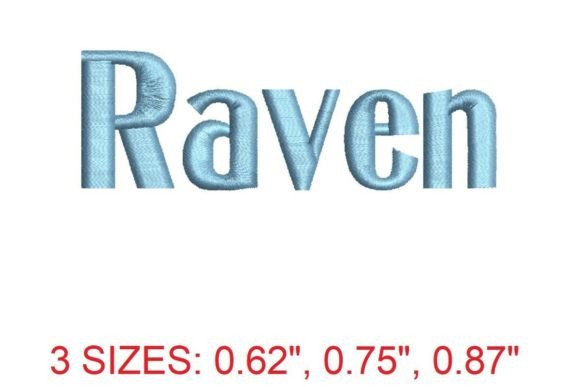
The moment you load the Raven Font into your embroidery software, the visual personality jumps off the screen. It carries a distinct gothic yet refined aesthetic, reminiscent of vintage typography mixed with modern edge. For designers, this is significant because it immediately defines the target audience. This is not a font for cheerful nursery decor or bright summer beach towels. Instead, it naturally belongs to projects that require a touch of mystery, sophistication, or alternative style.
The shapes are sharp, with high contrast between thick and thin strokes. In theory, this looks stunning. In practice, it demands respect from the embroiderer. The design feels heavy enough to hold attention but delicate enough to suggest elegance. When I first mocked up a design using this font, I imagined it on a black canvas bag or a dark grey hoodie. The contrast creates a visual weight that draws the eye, making it perfect for branding where you want your logo or message to stand out without shouting. It brings a sense of professionalism to handmade products, elevating them from simple crafts to curated fashion items.
Real-World Application: From Sketch to Stitch
To truly evaluate any embroidery file, you must test it in real-life scenarios. I took the Raven Font design and applied it to several common small business merchandise items to see how it held up. The results were telling.
Custom Apparel and Sweatshirts
One of the strongest use cases for this font is on heavyweight cotton blends. I tested a design on a charcoal sweatshirt, placing the text across the chest. The satin stitch edges remained crisp, and the dark theme of the font complemented the fabric perfectly. For an Etsy seller creating custom apparel, this font allows for versatile designs ranging from edgy quotes to minimalist brand names. It works exceptionally well for holiday embroidery collections, particularly around autumn or winter seasons, where darker, moodier aesthetics are trending.
Tote Bags and Accessories
A tote bag design featuring the Raven Font offers a sophisticated alternative to standard canvas prints. Because the font has strong vertical lines, it holds up well on the flat surface of a tote. However, if you are stitching on a textured canvas, you must ensure your stabilizer choice is robust. The font’s intricate details can get lost if the fabric absorbs the thread too much. For a handmade product aimed at students or young professionals, this font adds a layer of perceived value that simple block letters cannot achieve.
Patches and Badges
Creating an embroidered patch with this font requires precision. The sharp angles of the letters look fantastic when outlined properly. I found that using a contrasting thread color for the outline helped separate the letters from the background, ensuring readability even at smaller sizes. This makes it an excellent choice for commercial embroidery projects where brand consistency is key.
Where to Exercise Caution
No design is universal, and the Raven Font has specific limitations that every embroiderer must respect. Ignoring these can lead to frustrated customers and ruined materials.
Small Hoop Sizes and Tiny Lettering
If you attempt to shrink this font down too small, you will lose the character that makes it special. The thinner strokes may break or become invisible, especially if you are using lighter thread colors. Always check the minimum size recommendations in your software. If you need tiny lettering for a collar tag or a small label, consider switching to a simpler sans-serif font instead.
Textured and Stretchy Fabrics
This font performs best on stable, woven fabrics like cotton, denim, or polyester blends. Avoid using it on highly textured fabrics like chunky knits or fleece unless you are prepared for significant distortion. Similarly, on stretchy fabrics like spandex or thin jersey, the tension of the fill stitch or satin stitch can cause puckering. If you must use it on stretchy material, a cut-away stabilizer is non-negotiable.
Dense Stitch Areas
The Raven Font can create dense areas, particularly in the curves of certain letters. On dark fabric, this density might show through as a shadow effect if the backing is not removed properly. Always inspect your finished product for stiffness; if the back feels like cardboard, you may need to reduce the stitch density in your software settings.
Practical Designer Notes for Success
Before you start stitching, follow these practical steps to ensure your embroidery project is a success:
- Test on Scrap Fabric: Never run a new design directly onto your final product. Use a scrap piece of the same fabric and thread colors to check for alignment and tension issues.
- Check Contrast: The dark beauty of this font relies on contrast. Test your design in black and white mockups to ensure the letters pop against the background fabric. Light threads on dark fabric usually work best, but dark threads on light fabric can also work if the font weight is sufficient.
- Review Stitch Density: Look closely at the stitch density in your software. If the design looks overly packed, reduce the density slightly to improve flexibility and reduce thread breakage.
- Confirm Licensing: If you plan to sell finished items made with this font, verify the licensing terms. Some digital embroidery files are for personal use only, while others allow commercial sales. As a craft business owner, protecting your intellectual property and respecting the creator’s rights is essential.
- Inspect Small Details: Zoom in on the corners of the letters. Are there any loose ends or awkward intersections? These details can affect the overall professionalism of the finished product.
Final Verdict
The Raven Font is a powerful tool for designers who want to add a touch of dark elegance to their work. It is not a one-size-fits-all solution, but when used correctly on the right fabrics and projects, it delivers a high-end look that resonates with customers. Whether you are creating personalized gifts, expanding your small shop product line, or designing assets for printable mockups, this font adds a layer of sophistication that stands out.
For those in the Back To School season, it might seem counterintuitive to choose such a moody font, but think about older students, college shoppers, or niche markets looking for unique stationery or laptop sleeves. The versatility of the Raven Font lies in its ability to convey strength and style. By testing carefully and choosing the right materials, you can transform this digital asset into a tangible masterpiece that customers will love. Just remember: good embroidery is about more than just the design—it is about the execution. Treat this font with care, and it will reward you with beautiful, professional results.