Mathilde Castleland Embroidery Font Review
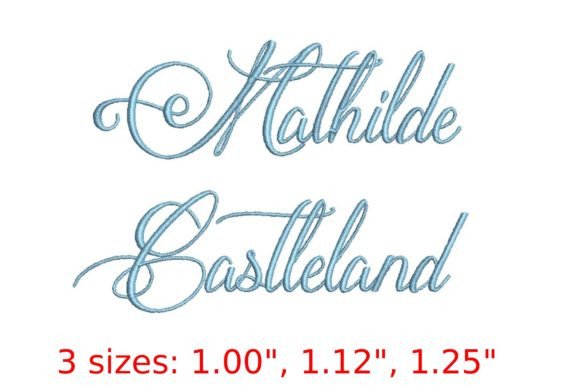
Walking into a craft fair or setting up your booth at a weekend handmade market is an exercise in visual strategy. You have seconds to catch a passerby’s eye, and you have moments to convince them that your product is worth the price tag. As an experienced embroidery designer who has spent years turning digital files into tangible goods, I know that the difference between a slow-selling table and a sold-out booth often comes down to the details. Today, I am reviewing Mathilde Castleland Embroidery Font, a design asset that promises to be a stunning choice for all your embroidery projects. With its compatibility with the popular PES file format, it positions itself as a versatile tool for both home hobbyists and serious commercial producers.
This review focuses on how this font performs in the real world of production and sales. We will look at its aesthetic appeal, its practical application on various merchandise, and the critical technical considerations every embroiderer must keep in mind before committing to batch production.
First Impressions: The Aesthetic of Mathilde Castleland
When you first load a new embroidery file into your software, the immediate question is always about legibility and style. Mathilde Castleland Embroidery Font carries a name that suggests elegance, history, and perhaps a touch of whimsy. In the context of current market trends, fonts that blend decorative flair with clear structure tend to perform exceptionally well. This font appears to strike a balance that appeals to multiple demographics.
For the modern Etsy seller or boutique maker, the challenge is finding a typeface that feels premium without being overly ornate. If Mathilde Castleland offers a clean yet distinctive character set, it becomes a powerful branding tool. It avoids the trap of being too "cute" for adult audiences while remaining approachable enough for children’s items. This versatility is crucial when you are trying to fill a booth with diverse products ranging from chic tote bags to playful aprons.
The visual weight of the letters matters immensely. A font that is too thin may get lost in the fabric texture, while one that is too heavy can overwhelm smaller designs. Based on the description of it being a "stunning choice," we can anticipate that this font has sufficient presence to act as a focal point, making it ideal for center-chest placements on apparel or large central motifs on kitchen textiles.
Product Application: Where Mathilde Castleland Shines
To truly understand the value of a machine embroidery design, you must visualize it on finished goods. Let’s break down how Mathilde Castleland Embroidery Font might perform across key craft fair categories.
- Tote Bags and Market Bags: Canvas and cotton canvas are staple materials for eco-conscious shoppers. A bold, elegant font like Mathilde Castleland stands out beautifully against natural fibers. It works exceptionally well for back-to-school themes, offering a sophisticated twist on traditional school supplies. Whether used for personalized student names or stylish daily carry slogans, this font adds a layer of perceived value that justifies a higher retail price.
- Apron Embroidery: Kitchenware remains a top seller at handmade markets. When designing for apron embroidery, the font needs to be readable even if the wearer is leaning over a counter. If Mathilde Castleland maintains clarity at medium sizes, it is perfect for humorous cooking quotes or elegant recipe titles. The contrast between the thread and the fabric color becomes paramount here; ensure your thread colors pop against the apron material.
- Tea Towel Embroidery: Linen and cotton tea towels provide a textured surface that can hide minor stitching imperfections but can also obscure fine details. A font with strong lines and adequate spacing will ensure that the message isn’t lost in the weave. This is a high-volume item, so a design that looks good in a row of three on a display rack is essential for booth efficiency.
- Embroidered Patches and Caps: For curved surfaces like caps, the lettering must follow the contour without distorting. Mathilde Castleland’s likely structured nature makes it a candidate for cap front panels, provided the hoop size allows for proper tension control. Patches offer more flexibility, allowing the font to shine as a standalone graphic element attached to denim jackets or backpacks.
Production Practicality and Batch Selling
For the small shop product owner, time is money. A design that requires excessive trimming, re-hooping, or complex color changes slows down production. While specific stitch counts are not detailed in the initial description, the emphasis on PES compatibility suggests broad machine support, which is a significant advantage. PES files are universally recognized, reducing the risk of conversion errors that can ruin a commercial embroidery run.
Photography plays a huge role in online sales. A printable mockup using Mathilde Castleland should look crisp and professional. If the font renders cleanly in digital previews, it is likely to translate well to physical products. However, always remember that a screen is not a fabric. The tactile quality of the stitches adds depth that photos sometimes miss. Ensure your design assets include high-resolution images that capture the sheen of the thread and the texture of the fabric.
When considering Back To School themes, this font could be particularly effective. Parents often look for items that feel special and durable for their children. A monogrammed backpack or a personalized lunch bag featuring Mathilde Castleland offers a sense of individuality that generic store-bought items lack. This emotional connection drives impulse buys at craft fairs.
Critical Technical Considerations
Before you commit to mass-producing items with this font, there are several technical checks you must perform. Ignoring these steps can lead to wasted materials and unhappy customers.
- Test on Scrap Fabric: Never assume a design will work perfectly on your final product fabric. Test Mathilde Castleland Embroidery Font on the exact material you plan to sell. Different fabrics react differently to tension and stabilizers.
- Check Stitch Density: High-density areas can cause puckering, especially on lightweight fabrics. Inspect the stitch density of the font to ensure it is appropriate for the garment weight. If the font is dense, you may need a cut-away stabilizer to maintain shape integrity.
- Review Spacing and Lettering: At smaller sizes, intricate details in decorative fonts can merge together. Zoom in on your digitizing software to check the kerning and spacing. If the letters are too close, they may become illegible on small items like embroidered patches.
- Confirm Hoop Size: Ensure the design fits within your standard hoop dimensions. If you are producing many items quickly, working with a consistent hoop size streamlines your workflow. Avoid designs that require awkward re-positioning unless necessary.
- Thread Contrast: Dark fabrics require light threads, and vice versa. The visual impact of Mathilde Castleland depends heavily on this contrast. Test multiple thread colors to find the combination that offers the best readability and aesthetic appeal.
Final Verdict for Craft Fair Sellers
Mathilde Castleland Embroidery Font presents itself as a strong contender for sellers looking to elevate their handmade product offerings. Its potential to serve as both a decorative element and a clear communicative tool makes it versatile across various categories. From tote bag design to tea towel embroidery, this font can add a touch of sophistication that attracts discerning buyers.
However, success lies in execution. The font is only as good as the production quality behind it. By carefully selecting fabrics, using the right stabilizer, and creating realistic finished product samples, you can leverage this design to create items that stand out in a crowded marketplace. Remember to verify all technical specifications, such as file format compatibility and licensing terms, directly from the source to ensure smooth operation with your embroidery machine and compliance with commercial use policies.
In the competitive world of handmade markets, having a reliable, attractive, and technically sound digital embroidery file is a significant advantage. Mathilde Castleland Embroidery Font, with its promise of stunning results and broad compatibility, could be the key to unlocking higher sales and greater customer engagement at your next event.