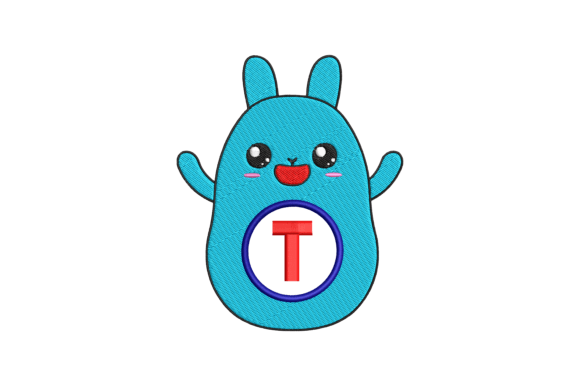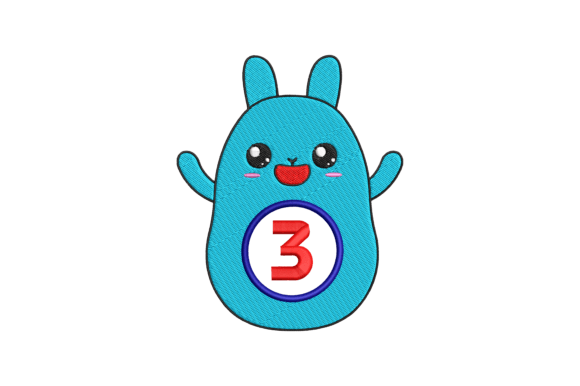
Cute Rabbit Number 3 Embroidery Review
When I sit down to evaluate a new digital embroidery file for my own studio or for clients, I am rarely looking for just "cute." I am looking for viability. Can this design hold up on a production run? Will it translate well from screen to fabric? Does it have the visual weight to justify the time spent stitching? Today, I am putting Cute Rabbit Number 3 under that same microscope. As we head into a season where personalization is king, specifically within the Back To School and gift-giving cycles, understanding how a simple character design performs in real-world applications is crucial for any serious maker.
This review isn't about whether the rabbit looks good in a JPEG. It is about how it behaves as a machine embroidery design. We are going to look at its aesthetic appeal, its technical execution potential, and exactly where it fits into your product lineup, whether you are an Etsy seller, a boutique owner, or a hobbyist looking to create a standout personalized gift.
The First Impression: Mood and Visual Personality
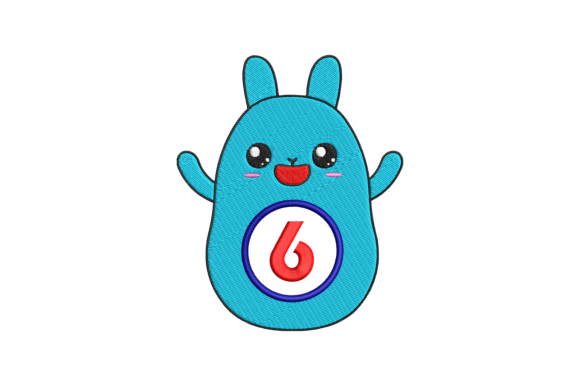
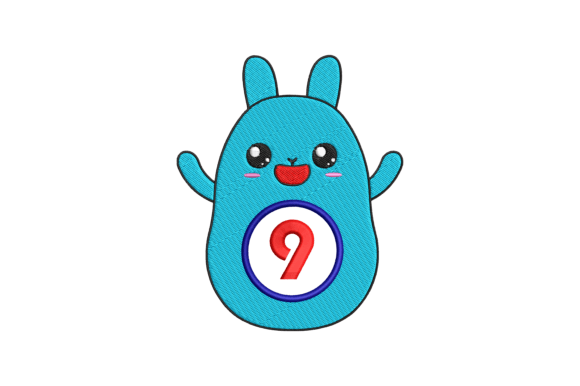
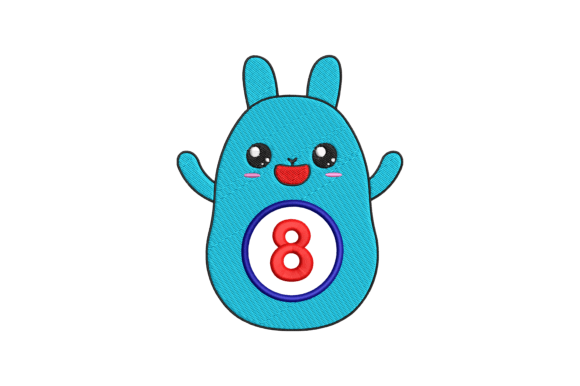
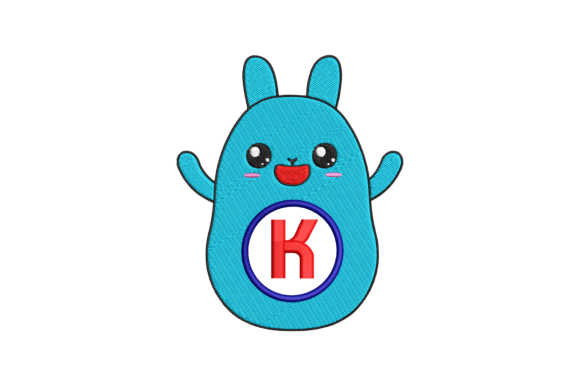
At first glance, Cute Rabbit Number 3 exudes a soft, approachable energy. The name itself suggests a playful theme, likely involving numerals or a specific character trait that appeals to children and young adults alike. In the world of embroidery project selection, mood is everything. This design feels like it belongs in the nursery decor category or perhaps as a charming accent on school supplies.
The layout appears balanced, which is the first sign of a professional-quality embroidery file. There is no awkward clustering of elements that might cause thread breaks or uneven tension. The visual personality is friendly without being overly complex. For designers, this is a relief. It means the design relies on clean shapes rather than relying on tiny, intricate details that often get lost in stitching. When you see a design that communicates its intent clearly even when viewed from a distance, you know it has been thoughtfully constructed.
For those of us selling handmade products, this kind of clear visual communication is vital. A customer scrolling through a shop should instantly understand what they are getting. This rabbit design delivers that clarity immediately, making it a strong candidate for custom apparel targeting younger demographics.
Real-World Application: Where Does It Shine?
Let’s move past the theory and talk about actual projects. If I were preparing inventory for the upcoming Back To School rush, where would I place Cute Rabbit Number 3? My first instinct would be the tote bag design market. Canvas totes are a staple for students and parents alike, and a centered or pocket-placed rabbit adds a touch of whimsy that elevates a plain item into a statement piece.
However, the versatility of this design extends far beyond bags. Consider the sweatshirt embroidery niche. During cooler months, a small, well-executed rabbit on the chest area of a crewneck sweatshirt can become a bestseller. It is subtle enough for daily wear but distinct enough to show off the craftsmanship. Similarly, for baby embroidery, this design could work beautifully on burp cloths, hooded towels, or onesies. The softness implied by the subject matter translates well to baby items, where comfort and gentle aesthetics are paramount.
I also see potential in the realm of embroidered patch creation. If the design includes a clean border or lends itself to applique techniques, it could be sold as a detachable patch for backpacks or denim jackets. This expands its utility, allowing customers to use it as a holiday embroidery gift or a personalized accessory that can be moved from one garment to another.
Technical Performance and Stitch Clarity
As a reviewer, I always worry about stitch density and detail retention. A common pitfall in character designs is overloading the file with too many small satin stitches that merge together, creating a muddy appearance. Based on the structure of Cute Rabbit Number 3, it seems to prioritize larger fill areas and clean lines. This is a smart choice for mass production because it reduces stitching time and minimizes the risk of thread breaks.
When evaluating such a design, I always recommend testing the stitch density on scrap fabric. You want to ensure that the fill stitch areas lay flat and do not pucker the underlying material. If the design uses a mix of satin stitch for outlines and running stitch for fine details, check that those smaller stitches are long enough to be stable. Too-short running stitches can bunch up and distort the shape of the rabbit’s features.
Another critical factor is the thread colors available. Does the design rely on subtle color shifts that might be hard to distinguish in certain lighting? A good digital embroidery file should offer high contrast between adjacent elements. If the rabbit is light-colored, pairing it with a dark background fabric will make the details pop. Conversely, if used on light fabric, ensuring the thread colors have enough saturation is key to maintaining the visual appeal of the final product.
Where to Exercise Caution
No design is perfect for every situation, and Cute Rabbit Number 3 is no exception. There are specific scenarios where this design might struggle:
- Small Hoop Sizes: If you attempt to digitize or stitch this on a very small hoop, you may lose the charm of the character. The proportions might feel cramped, and fine details could disappear. Always confirm the recommended hoop size before committing to a tiny product like a hat brim or a small cuff.
- Textured Fabrics: While this design works well on smooth cottons and polyesters, textured fabrics like heavy tweeds or loose-weave linens can hide the intricacies of the embroidery. The thread might sink into the weave, reducing the crispness of the lines.
- Stretchy Materials: Knits require extra care. Without proper stabilizer support, the natural stretch of the fabric can distort the circular or curved elements of the rabbit design. Always test on a scrap of the actual garment fabric first.
- Dense Stitch Areas: If the design includes large blocks of dense stitching, be mindful of fabric stability. On thin materials, this can lead to visible puckering on the reverse side, which affects the professionalism of the finished product.
Strategic Value for Your Business
For craft business owners and small shop product creators, choosing the right design assets is a strategic decision. Cute Rabbit Number 3 offers high recognition value. Characters sell because they evoke emotion. This rabbit is designed to trigger a positive response, which directly impacts buyer engagement and conversion rates.
Furthermore, its adaptability allows for creative marketing. You can create printable mockups showing the rabbit on various items—totes, shirts, pillows—to give customers a clear idea of the possibilities. This transparency builds customer trust and reduces returns based on mismatched expectations. Additionally, using a versatile design like this supports brand consistency if you decide to build a collection around similar themes.
It is also worth considering the licensing terms. Before listing this as a commercial embroidery asset, double-check the license agreement. Ensure you are permitted to sell finished goods made with the design. Some files are for personal use only, while others allow commercial sales with attribution. Clarifying this protects your creative entrepreneur status and legal standing.
Final Verdict
Cute Rabbit Number 3 is a solid, reliable addition to any embroidery library. It balances charm with technical feasibility, making it suitable for a wide range of projects from aprons and kitchen towels to pillow covers and apparel decorations. Its strength lies in its simplicity and emotional resonance, qualities that resonate deeply with buyers looking for unique, handmade touches.
By treating this design with the respect it deserves—testing it thoroughly, matching it with appropriate fabrics and stabilizers, and presenting it professionally—you can turn a simple digital file into a profitable, beloved handmade product. Whether you are designing for a local craft fair or scaling up for online sales, this rabbit is ready to hop into your best-seller list.