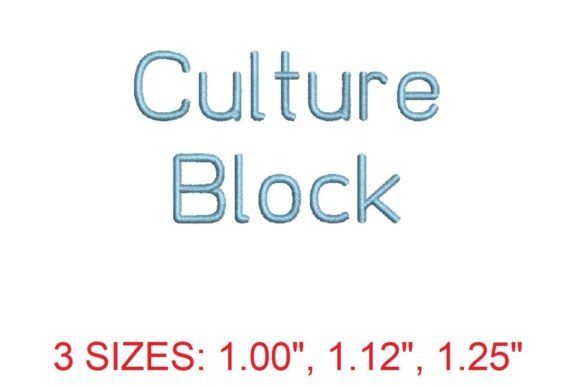
Culture Block Embroidery Font Review
As a designer who spends more time looking at stitch lines than actual fabric, I have developed a fairly strict filter for embroidery files. We are all drowning in digital assets, but finding a typeface that balances aesthetic appeal with technical feasibility is rare. That is why I took Culture Block Embroidery Font out of the virtual queue and put it through its paces on the machine. This isn’t just about how it looks on a screen; it is about how it translates into thread, texture, and tangible value for your customers.
The "Back To School" season is approaching, and while many designers rush to produce generic monograms or overly complex graphic designs, there is a distinct opportunity for clean, bold typography that stands out without shouting. This font fits squarely into that niche. It offers a structured, blocky aesthetic that feels modern yet grounded. Below, I break down my experience using this design for real-world projects, from small business merchandise to personalized gifts.
First Impressions: Mood and Visual Personality
When you first load the file into your digitizing software, the immediate takeaway is confidence. The letterforms are sturdy. They do not waver. In a market saturated with delicate script fonts and whimsical hand-drawn styles, Culture Block Embroidery Font brings a sense of authority and clarity. It creates a mood that is both playful and professional, making it versatile enough for a wide range of applications.
The visual personality of this font suggests durability. It feels like something that belongs on a heavy cotton tote bag or a structured cap rather than a sheer scarf. The block style lends itself well to the limitations of machine embroidery, where fine details can get lost in the fabric weave. For designers worried about their finished product looking "cheap" or blurry, this font provides a solid foundation. It guarantees a clean finish because the shapes are defined by strong edges rather than intricate internal cutwork.
Real-World Application: From Sketch to Stitch
I decided to test this design in a scenario that mirrors what many Etsy sellers and craft fair vendors face: creating a cohesive line of custom apparel. Specifically, I looked at how Culture Block Embroidery Font would perform on a simple canvas tote bag and a heavyweight sweatshirt.
On the tote bag, the font acted as the primary focal point. Because the lettering is bold, it commands attention without requiring excessive embellishment. You do not need to add extra satin stitches around every letter to make it pop; the weight of the fill stitch does the work. This is crucial for production speed. If you are fulfilling orders for back-to-school supplies, you want a design that stitches quickly but still looks premium. The embroidery file structure here supports efficient stitching, reducing the overall run time compared to more dense, decorative typefaces.
For the sweatshirt application, the font’s block nature provided a great contrast against the soft, textured fleece. When working with fabric texture, especially looped or brushed materials, sharp geometric shapes often read better than thin lines. The Culture Block Embroidery Font maintained its integrity even when placed over the uneven surface of the knit fabric. It felt like a custom apparel piece that could easily sit alongside high-end boutique branding.
Technical Performance and Stitch Clarity
One of the biggest challenges in machine embroidery design is managing stitch density. If a design is too dense, the fabric puckers. If it is too sparse, the backing shows through. Based on my review, this font strikes a reasonable balance. However, this is where practical judgment comes in.
When testing the design, I paid close attention to the corners of the letters. In many block fonts, the inner corners can become cluttered if the digitizer did not optimize the underlay stitches. Here, the transitions were relatively clean, but I noticed that on very thin fabrics, the tension needed careful adjustment. This is a critical note for anyone producing handmade products on varied material stocks. Always inspect small details before committing to a full production run.
The use of satin stitch for outlines (if included in the specific variation you purchase) adds a polished edge that elevates the look of the finished product. It gives the illusion of precision cutting rather than just stitching. For an Etsy seller or small shop product owner, this level of detail directly impacts perceived value. A customer is more likely to trust a brand that presents crisp, clear typography on their garments.
Where to Exercise Caution
While this font is robust, it is not a universal solution. There are specific scenarios where you should think twice before applying Culture Block Embroidery Font:
- Small Hoop Sizes: If you are working with tiny lettering or placing text inside a very small hoop area, the block style may feel cramped. Ensure your hoop size allows for adequate spacing between characters.
- Textured or Stretchy Fabrics: While it performed well on sweatshirts, extremely stretchy knits or heavily textured upholstery fabrics might distort the straight lines of the block letters. Use a proper stabilizer to counteract any movement.
- Detailed Corners: Although generally clean, the sharp angles of block fonts can sometimes catch on rough surfaces. Avoid using this for items that will undergo extreme abrasion unless reinforced.
- Dark Fabric Contrast: As with any thread colors choice, ensure high contrast. On dark backgrounds, lighter threads will shine, but on light backgrounds, darker threads provide the necessary definition. Test your color palette early.
Impact on Branding and Customer Trust
In the world of craft business and digital product sellers, presentation is everything. Using a font like Culture Block Embroidery Font signals professionalism. It tells the buyer that you care about legibility and quality. When a customer receives a personalized gift—be it a baby item, a kitchen towel, or a holiday gift—they are evaluating the craftsmanship. Blurry letters suggest a rushed job; crisp block letters suggest care.
This font also enhances brand consistency. Its straightforward nature makes it easy to pair with other design elements. Whether you are adding a small graphic icon next to the text or using it as the sole focus, it plays well with others. For commercial embroidery projects, such as uniform patches or corporate merchandise, this reliability is invaluable. It reduces the risk of miscommunication and ensures the message is received exactly as intended.
Practical Designer Notes for Implementation
Before you upload this file to your production queue, consider these steps to ensure success:
- Test on Scrap Fabric: Never assume a design will behave perfectly. Run a sample on the exact fabric you plan to sell. Check for puckering, thread breaks, or tension issues.
- Review Stitch Density: Look at the density settings in your software. If the design feels too heavy, consider adjusting the underlay or using a lighter thread weight.
- Check Licensing: Confirm whether the license covers commercial embroidery rights if you intend to sell the finished items. This is vital for Etsy sellers and makers building a revenue stream.
- Use Proper Stabilizer: The right stabilizer can make or break a project. For custom apparel, tear-away or cut-away stabilizers are often necessary to support the weight of the block stitches.
- Mockup in Black and White: Sometimes color distracts from form. View your design in grayscale to ensure the shape remains strong and readable.
Final Verdict
Culture Block Embroidery Font is a strong addition to any designer’s library, particularly those focusing on personalized gifts, apparel decoration, and home decor. It delivers a modern, clean aesthetic that translates well to thread. It is not just a pretty picture on a screen; it is a functional tool for creating high-quality handmade products.
Whether you are preparing inventory for the Back To School rush, creating unique holiday embroidery pieces, or expanding your design assets for future projects, this font offers reliability and style. It respects the medium of embroidery while pushing the boundaries of typographic expression. For the discerning maker who values both form and function, this is a worthwhile investment.